All Categories
Featured
The UK is particularly exposed given its reliance on gas for electrical power rates, which is why the International Monetary Fund (IMF) has actually revised its UK inflation and development forecasts more sharply than any other industrialized economy. Inflation briefly dipped listed below 3% for the first time considering that early 2025, but the reprieve will be short-term.

A weaker labour market and softer need ought to avoid a repeat of 2022's double-digit spike, limiting second-round effects. Our base case is inflation averaging 3.1% in 2026, peaking around 3.5%, before reducing to 2.5% in 2027, though threats loom big if the Strait of Hormuz stays closed. The UK labour market was already softening before the current energy shock, with unemployment increasing to 5.0% and vacancies at their most affordable given that the pandemic.
Why British Corporate Executives Adopt Digital Transformation ModelsFirms are not yet shedding personnel, but hesitation to work with is widening the space in between task development and population growth. Greater energy costs will intensify the pressure, and we expect joblessness to peak at 5.3% by year end. With wage growth slowing to around 3.75% and inflation heading towards 3.5%, real pay looks set to be stagnant another challenging year for living standards.
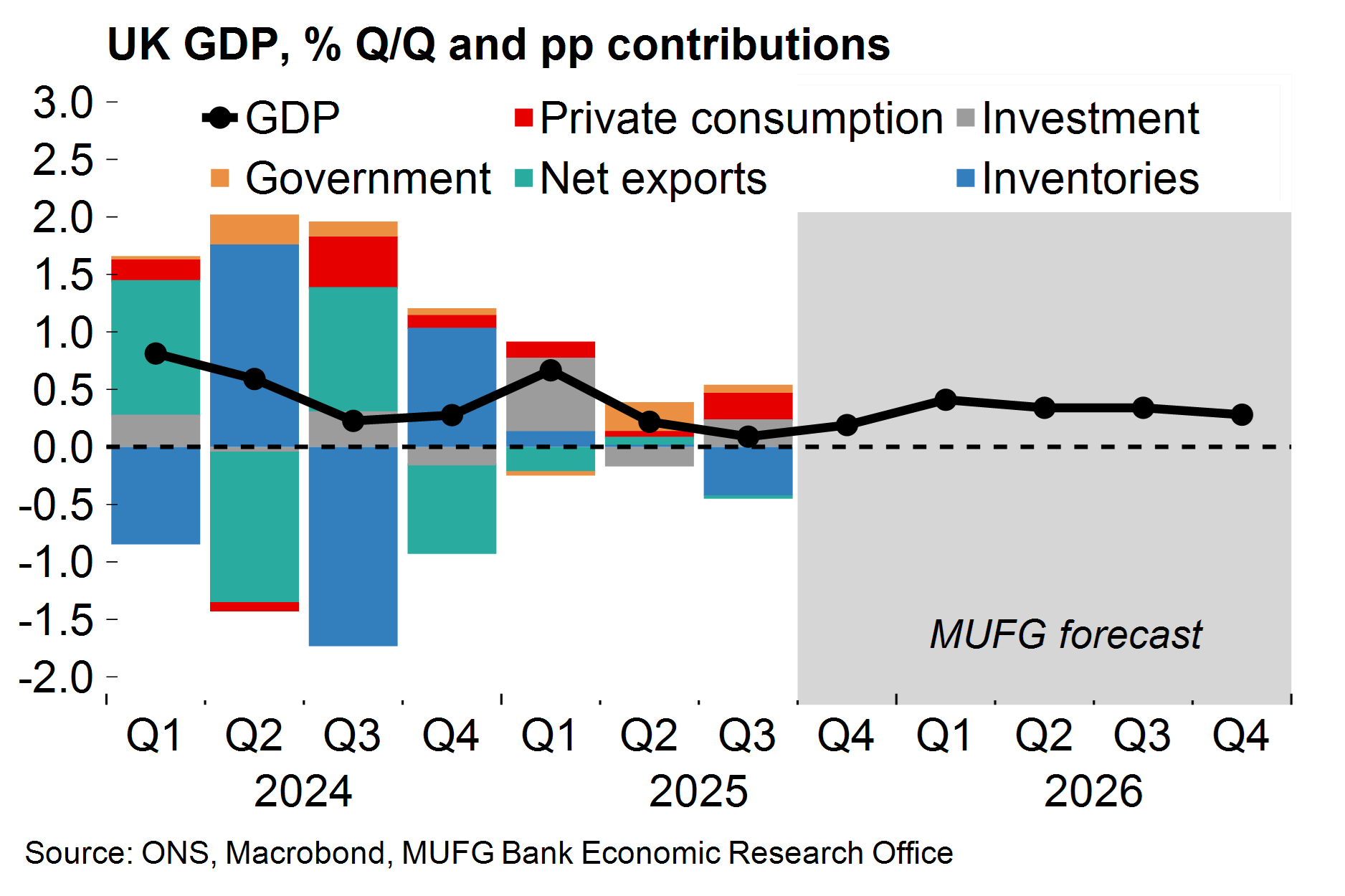
Three factors limit the case for hikes: the energy shock is smaller sized than in 2022, rates are already at a restrictive level, and a weaker economy lowers the risk of second-round inflation results. That said, rate rises can not be dismissed if energy rates rise even more. Gilt yields are most likely to remain raised regardless, driven by the UK's inflation sensitivity and political unpredictability around a possible change of Prime Minister, keeping borrowing expenses high throughout the economy even if the policy rate remain on hold.

Latest Posts
Navigating the 2026 British Business Landscape
Corporate Management Pillars for a 2026 Market
Top Benefits of Global Worker Acquisition